Solar Power Inc. installs PV array on movie studio
Chris Meehan
Feb 28, 2011
The spotlight shining on actors shooting movies at Twentieth Century Fox Film’s historic Building 99 is powered by the sun thanks to a new photovoltaic array on its roof. On Feb. 22 Solar Power, Inc. (OTCBB: SOPW) said it completed the installation of a 160-kilowatt photovoltaic array.
It’s just the latest effort of parent company, New Corp.’s (NASDAQ: NWS), larger sustainability campaign dubbed the Global Energy Initiative.
Solar Power Inc. installed the system using its SkyMount racking system. The racking system is unique in that it’s adaptable to various rooftops with minimal rooftop penetration. And it was able to conform to the barrel-shaped roof of the building, according to a Solar Power case study of the system.
The Twentieth Century Fox Film solar installation was designed to provide power for onsite use.
“It’s behind the meter, used to power onsite needs and reduce the amount of electricity they get off the meter,” said Solar Power, Inc. Vice President of Marketing Mike Anderson. He wasn’t sure what percentage of power consumed at the Fox Film site would come from the array. “I can tell you it’s not offsetting all their power, just a portion.”
At present, this is the only project that Solar Power has with the film studio’s parent company News Corp. But it’s not the only sustainability project that News Corp. has underway through its Global Energy Initiative projects. It’s also installing a 4.1-megawatt photovoltaic array at its 2,000 employee Dow Jones headquarters in South Brunswick, N.J.
When completed, the Dow Jones array will provide 50 percent of the facility’s electric needs during peak-sunlight hours. In December, 2.5 megawatts, 60 percent, of that installation was completed, powered on and connected to the grid, News Corp. said.
The phase was also completed four months ahead of schedule.
Under News Corp.’s Global Energy Initiative, the company has been reducing its carbon footprint and energy use. In 2010, the company purchased 642,765 metric tons of carbon dioxide offsets.
“Enough to cover our entire fiscal year 2010 carbon footprint,” the company said.
The offsets included such diverse things as investments in landfill gas collection, wind farms and biomass projects. Its efforts were enough to earn the media conglomerate the second highest rating among S&P 500 companies in the 2010 Carbon Disclosure Report.
Solar Power has another potential array in the works with another studio, Anderson said.
“We are looking at other major motion picture studios that are looking to mitigate energy cost and those that are looking to grow their sustainability initiatives,” he said. “Solar generation becomes something they tend to look at pretty quickly. It makes economic sense and environmental sense.”
Wednesday, March 2, 2011


Monday, February 7, 2011
EU grows up? down? sideways?
European Parliament gets tough on WEEE directive
TechEye talks to TCO
07 Feb 2011 13:29 | by Andrea Petrou | posted in Business
0 Comments
Bookmark and Share
European Parliament gets tough on WEEE directive -
The European Parliament is tightening up on electronic waste policies, adding new pieces of legislation to the Waste Electrical and Electronic Equipment (WEEE) directive.
It has voted for tougher regulations on the disposal of electronic trash, requiring each country to collect 4kg of e-waste per citizen by 2012, and to process 85 percent of all electronic waste by 2016.
According to TCO Certified, the E-waste stream is growing at a rate three times faster than the overall waste stream. The organisation said that researchers estimate that the amount of global E-waste will be close to 73 billion kg annually by 2015.
Control your PCs and Macs over the web, get a Free Trial now!
Ads by TechClicks
The fact that only a fraction of the E-waste produced today is recycled responsibly adds to the problem. Computers and office electronics account for 40 percent of lead and 70 percent of heavy metals, including mercury and cadmium, in landfills.
It said this shows not only how polluting these products are but also what a waste of resources it is, according to the Basel Action Network the average PC contains up to 27 different kinds of metals of various hazardousness. Many of these metals are scarce and getting more and more difficult and expensive to mine.
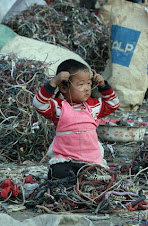
Before the WEEE directive was put into force in 2008, both manufacturers and countries would export their electronic waste illegally to third world countries, where it was disposed of in unsafe ways.
Now the European Parliament has decided that it wants a higher collection target and a separate reuse target. Both were pushed through after delays from October with a majority of 580 votes to 37.
In addition MEPs recommend a 50-75 percent recycling target, and suggested a separate re-use target, initially set at five percent.
They also addressed the problem of large volumes of e-waste being falsely declared as ‘reusable' and illegally exported to developing countries.
To ensure these shipments are reduced, they want stricter inspections of deployments, as well as ensuring the exporter should carry the burden of proof that the goods are actually reusable.
According to Emma Sjögren at TCO Certified, this is especially important as these products contain halogenated substances and chemicals and materials containing chlorine and bromine are causing concern in developing countries without recycling facilities today. Uncontrolled Incineration of brominated and chlorinated compounds forms other compounds such as dioxins and furans, many of them highly toxic and, for example, carcinogenic.
"Many of these substances are known to have serious health and environmental effects (most substances are not yet tested). Brominated flame retardants have been used for over 30 years to prevent the ignition of a material and limit the spread of fire," she told TechEye.
"The purpose of flame retardants is to provide protection throughout the product lifecycle. Therefore, they are deliberately constructed not to degrade meaning that once in the environment they persist, often transported by air and water far away from the initial point of pollution.
She added that it was primarily when the IT products were scrapped that problems arise.
"The substances containing bromine and chlorine leak out and, because their degradability is poor, they remain in the environment for a long time," she said.
"Only a small proportion of the world’s electronic goods are reused in a controlled way – for example, large numbers of end-of-life products are shipped to Asia or Africa where they are burned in backyards without any protective equipment – so this is a major and growing problem."
TCO added that as long as these chemicals were used, and the recycling of electrical products are not controlled, the quantities of brominated and chlorinated flame retardants in the environment will increase.
"Even if their use were discontinued today, they would remain in the environment long into the future," Emma added.
TechEye talks to TCO
07 Feb 2011 13:29 | by Andrea Petrou | posted in Business
0 Comments
Bookmark and Share
European Parliament gets tough on WEEE directive -
The European Parliament is tightening up on electronic waste policies, adding new pieces of legislation to the Waste Electrical and Electronic Equipment (WEEE) directive.
It has voted for tougher regulations on the disposal of electronic trash, requiring each country to collect 4kg of e-waste per citizen by 2012, and to process 85 percent of all electronic waste by 2016.
According to TCO Certified, the E-waste stream is growing at a rate three times faster than the overall waste stream. The organisation said that researchers estimate that the amount of global E-waste will be close to 73 billion kg annually by 2015.
Control your PCs and Macs over the web, get a Free Trial now!
Ads by TechClicks
The fact that only a fraction of the E-waste produced today is recycled responsibly adds to the problem. Computers and office electronics account for 40 percent of lead and 70 percent of heavy metals, including mercury and cadmium, in landfills.
It said this shows not only how polluting these products are but also what a waste of resources it is, according to the Basel Action Network the average PC contains up to 27 different kinds of metals of various hazardousness. Many of these metals are scarce and getting more and more difficult and expensive to mine.
Before the WEEE directive was put into force in 2008, both manufacturers and countries would export their electronic waste illegally to third world countries, where it was disposed of in unsafe ways.
Now the European Parliament has decided that it wants a higher collection target and a separate reuse target. Both were pushed through after delays from October with a majority of 580 votes to 37.
In addition MEPs recommend a 50-75 percent recycling target, and suggested a separate re-use target, initially set at five percent.
They also addressed the problem of large volumes of e-waste being falsely declared as ‘reusable' and illegally exported to developing countries.
To ensure these shipments are reduced, they want stricter inspections of deployments, as well as ensuring the exporter should carry the burden of proof that the goods are actually reusable.
According to Emma Sjögren at TCO Certified, this is especially important as these products contain halogenated substances and chemicals and materials containing chlorine and bromine are causing concern in developing countries without recycling facilities today. Uncontrolled Incineration of brominated and chlorinated compounds forms other compounds such as dioxins and furans, many of them highly toxic and, for example, carcinogenic.
"Many of these substances are known to have serious health and environmental effects (most substances are not yet tested). Brominated flame retardants have been used for over 30 years to prevent the ignition of a material and limit the spread of fire," she told TechEye.
"The purpose of flame retardants is to provide protection throughout the product lifecycle. Therefore, they are deliberately constructed not to degrade meaning that once in the environment they persist, often transported by air and water far away from the initial point of pollution.
She added that it was primarily when the IT products were scrapped that problems arise.
"The substances containing bromine and chlorine leak out and, because their degradability is poor, they remain in the environment for a long time," she said.
"Only a small proportion of the world’s electronic goods are reused in a controlled way – for example, large numbers of end-of-life products are shipped to Asia or Africa where they are burned in backyards without any protective equipment – so this is a major and growing problem."
TCO added that as long as these chemicals were used, and the recycling of electrical products are not controlled, the quantities of brominated and chlorinated flame retardants in the environment will increase.
"Even if their use were discontinued today, they would remain in the environment long into the future," Emma added.
Thursday, January 13, 2011
from greenelectronics
Today we learned that Kim Joo hyun, a 26-year-old man who worked in the Samsung electronics LCD factory in Chun-ahn city in Korea, jumped from the roof of the dormitory and killed himself in the early morning of January 1, 2011. He suffered from skin disease due to chemicals and depression because of severe job stress. This shocking news is even more disturbing since it follows a rash of similar suicides by young workers at the Foxconn factory in China and inspires us to increase our determination to bring justice for the Samsung workers and families.
In memory of Kim Joo hyun, we ask that you join the Samsung Accountability Campaign. The Samsung Accountability Campaign is calling on Samsung to accept responsibility for occupational deaths and to Provide Safe and Decent Working Conditions
Over the past two decades, Samsung has become one of the most dominant electronics companies in the world, and is now a global leader in semiconductors, flat panel displays, mobile phones, and television production. Sadly, this rapid rise to global dominance has come with serious consequences for the workers who produce the products – recent reports indicate that about 100 workers – mostly young women - have been stricken with cancer – mostly blood cancers - and at least 30 of them have died – making this the one of the largest known electronics cancer clusters in the world. (See http://tinyurl.com/2bl5c8a for more information).
Samsung has denied all responsibility for these illnesses and the Korean government has declined to declare the cancers “work related” and refuses to disclose results of its investigation of Samsung. In response, a strong support movement led by the victims and their families has emerged in Korea and around the world and is seeking justice for those who have suffered from occupational illness.
Over the past months, hundreds of key activists and leaders from around the world have endorsed a petition addressing Samsung over occupational heath and safety issues. The petition contains a list of precise demands to Samsung. Read the entire petition text and the list of endorsements here.
In memory of Kim Joo hyun, we ask that you join the Samsung Accountability Campaign. The Samsung Accountability Campaign is calling on Samsung to accept responsibility for occupational deaths and to Provide Safe and Decent Working Conditions
Over the past two decades, Samsung has become one of the most dominant electronics companies in the world, and is now a global leader in semiconductors, flat panel displays, mobile phones, and television production. Sadly, this rapid rise to global dominance has come with serious consequences for the workers who produce the products – recent reports indicate that about 100 workers – mostly young women - have been stricken with cancer – mostly blood cancers - and at least 30 of them have died – making this the one of the largest known electronics cancer clusters in the world. (See http://tinyurl.com/2bl5c8a for more information).
Samsung has denied all responsibility for these illnesses and the Korean government has declined to declare the cancers “work related” and refuses to disclose results of its investigation of Samsung. In response, a strong support movement led by the victims and their families has emerged in Korea and around the world and is seeking justice for those who have suffered from occupational illness.
Over the past months, hundreds of key activists and leaders from around the world have endorsed a petition addressing Samsung over occupational heath and safety issues. The petition contains a list of precise demands to Samsung. Read the entire petition text and the list of endorsements here.
Monday, January 10, 2011
the new world of the eco-ad
AdAge
CBS 'EcoAd' Pays 10% to Local E-causes
The Eye Network's New Pitch: Buy a Spot, Save the Planet
By Brian Steinberg
Published: January 10, 2011
NEW YORK (AdAge.com) -- Going green is nice, but getting caught "greenwashing" -- doing environmental promotions that are all talk and no action -- isn't. CBS Corp. is hoping some of its advertisers will take this under advisement and put their money where their mouths are when they talk about acting in the best interest of the planet.
The company, best known for its TV network and programs such as "CSI" and "NCIS," is unveiling a new form of advertising it calls an "EcoAd." Marketers who commit to this sort of promotion can purchase ad packages across CBS's various holdings -- national and local TV, radio, outdoor, online and more -- with the understanding that approximately 10% of the money committed to the sponsorship will be used to fund environmental-improvement efforts at the local level.
Related Stories
When It Comes to Commercials, Target, Others Keep It Green
How Much Waste Do Your Shoots Generate?
To signal that a marketer's ads are part of the program, CBS will air ads that are part of its "EcoAd" effort with a green-leaf logo for TV, interactive and outdoor advertising and an audio identifier on radio.
At present, the advertisers who have signed up -- clients include General Motors' Chevrolet, SunPower, O Organics, Boston Scientific, Pacific Coast Termite, Port of Los Angeles and International Brotherhood of Electrical Workers -- have purchased advertising that will be seen at the local level, not on CBS's broadcast-TV network. But the media company has hopes of capturing national advertising and will this week launch a promotion on CBS and its other media properties touting the "EcoAd." With actor Laurence Fishburne narrating, viewers will be told to "Look for the Leaf" as a signal that the ad is doing something more than just hyping the latest beverages, cars and gadgets.
"Anyone can sell media and sprinkle a few dollars on environmental improvements and call it 'green media,'" said Paul Polizzotto, president and founder of EcoMedia, which CBS acquired in May of last year after working with the company for about two years. The unit maintains contact with local municipalities and searches for environmental projects that require more funding to be put into practice, he said. Advertiser dollars become the catalyst that sparks a local government to take an underfunded project off the shelf and push it toward completion.
Mr. Polizzotto said his company looks for projects that will increase the EcoMedia contribution ten-fold; a contribution of $100,000, for instance, would be added to a project that would, in total, be worth $1 million when all the money is put together. Advertisers can then tell consumers their advertising is part of a project to build new facilities for local residents, to maintain energy efficiency and even to create local jobs.
In Texas, Chevrolet is purchasing a sponsorship in the Dallas area that will have the usual coterie of local advertising, but also let area residents know that Chevy's ad dollars are helping to bring solar-powered, energy-efficient lighting and improved bathrooms to a nine-diamond baseball facility in Arlington, Texas.
The carmaker, which has been on an aggressive ad stint as of late, sees extra value in the PR and goodwill generated by informing consumers of Chevy's donations to local environment projects.
"For me to just go and use advertising dollars to talk more about our carbon-reduction initiative -- it helps, but it doesn't hit home with as many people as I would like it to," said Mark Harland, regional marketing manager for Chevrolet's south central region, which includes Dallas, New Orleans and St. Louis. "If I go into your backyard, where your son or daughter is playing baseball," he added, "that makes a direct impact in a community." The effort offers "a little more context to people in that community and there's a lasting effect. It's not just a 30-second commercial."
CBS appears to be riding a wave of interest by advertisers in linking their sales messages to noble causes. Who hasn't been buffeted by a wave of commercials that tie the product being sold to efforts to help improve the world or a consumer's well-being? From Pepsi's "Refresh" project to Coca-Cola's efforts to link Diet Coke with heart health, marketing initiatives these days hope to appear more relevant by weaving themselves more intricately into the stuff that motivates individual customers.
Other media outlets have tackled this notion. NBC Universal has in recent years begun selling advertising attached to content dedicated to health or the environment. The company's "Green is Universal" efforts have attracted such marketers as Subaru, Home Depot and Procter & Gamble.
The environmental push isn't completely altruistic. For CBS, cultivating such ad revenue can help the company broaden its base. The majority of CBS's ad revenue comes from its broadcast network, but helping to develop local environmental projects can help lure ad dollars to CBS operations that gain their traction at the local level.
CBS 'EcoAd' Pays 10% to Local E-causes
The Eye Network's New Pitch: Buy a Spot, Save the Planet
By Brian Steinberg
Published: January 10, 2011
NEW YORK (AdAge.com) -- Going green is nice, but getting caught "greenwashing" -- doing environmental promotions that are all talk and no action -- isn't. CBS Corp. is hoping some of its advertisers will take this under advisement and put their money where their mouths are when they talk about acting in the best interest of the planet.
The company, best known for its TV network and programs such as "CSI" and "NCIS," is unveiling a new form of advertising it calls an "EcoAd." Marketers who commit to this sort of promotion can purchase ad packages across CBS's various holdings -- national and local TV, radio, outdoor, online and more -- with the understanding that approximately 10% of the money committed to the sponsorship will be used to fund environmental-improvement efforts at the local level.
Related Stories
When It Comes to Commercials, Target, Others Keep It Green
How Much Waste Do Your Shoots Generate?
To signal that a marketer's ads are part of the program, CBS will air ads that are part of its "EcoAd" effort with a green-leaf logo for TV, interactive and outdoor advertising and an audio identifier on radio.
At present, the advertisers who have signed up -- clients include General Motors' Chevrolet, SunPower, O Organics, Boston Scientific, Pacific Coast Termite, Port of Los Angeles and International Brotherhood of Electrical Workers -- have purchased advertising that will be seen at the local level, not on CBS's broadcast-TV network. But the media company has hopes of capturing national advertising and will this week launch a promotion on CBS and its other media properties touting the "EcoAd." With actor Laurence Fishburne narrating, viewers will be told to "Look for the Leaf" as a signal that the ad is doing something more than just hyping the latest beverages, cars and gadgets.
"Anyone can sell media and sprinkle a few dollars on environmental improvements and call it 'green media,'" said Paul Polizzotto, president and founder of EcoMedia, which CBS acquired in May of last year after working with the company for about two years. The unit maintains contact with local municipalities and searches for environmental projects that require more funding to be put into practice, he said. Advertiser dollars become the catalyst that sparks a local government to take an underfunded project off the shelf and push it toward completion.
Mr. Polizzotto said his company looks for projects that will increase the EcoMedia contribution ten-fold; a contribution of $100,000, for instance, would be added to a project that would, in total, be worth $1 million when all the money is put together. Advertisers can then tell consumers their advertising is part of a project to build new facilities for local residents, to maintain energy efficiency and even to create local jobs.
In Texas, Chevrolet is purchasing a sponsorship in the Dallas area that will have the usual coterie of local advertising, but also let area residents know that Chevy's ad dollars are helping to bring solar-powered, energy-efficient lighting and improved bathrooms to a nine-diamond baseball facility in Arlington, Texas.
The carmaker, which has been on an aggressive ad stint as of late, sees extra value in the PR and goodwill generated by informing consumers of Chevy's donations to local environment projects.
"For me to just go and use advertising dollars to talk more about our carbon-reduction initiative -- it helps, but it doesn't hit home with as many people as I would like it to," said Mark Harland, regional marketing manager for Chevrolet's south central region, which includes Dallas, New Orleans and St. Louis. "If I go into your backyard, where your son or daughter is playing baseball," he added, "that makes a direct impact in a community." The effort offers "a little more context to people in that community and there's a lasting effect. It's not just a 30-second commercial."
CBS appears to be riding a wave of interest by advertisers in linking their sales messages to noble causes. Who hasn't been buffeted by a wave of commercials that tie the product being sold to efforts to help improve the world or a consumer's well-being? From Pepsi's "Refresh" project to Coca-Cola's efforts to link Diet Coke with heart health, marketing initiatives these days hope to appear more relevant by weaving themselves more intricately into the stuff that motivates individual customers.
Other media outlets have tackled this notion. NBC Universal has in recent years begun selling advertising attached to content dedicated to health or the environment. The company's "Green is Universal" efforts have attracted such marketers as Subaru, Home Depot and Procter & Gamble.
The environmental push isn't completely altruistic. For CBS, cultivating such ad revenue can help the company broaden its base. The majority of CBS's ad revenue comes from its broadcast network, but helping to develop local environmental projects can help lure ad dollars to CBS operations that gain their traction at the local level.
Consumer Electronics Show
Greenpeace interview
http://www.guardian.co.uk/technology/blog/video/2011/jan/09/greenpeace-ces-2011
http://www.guardian.co.uk/technology/blog/video/2011/jan/09/greenpeace-ces-2011
the green commercial?
AdAge
When It Comes to Commercials, Target, Others Keep It Green
How Much Waste Do Your Shoots Generate?
By Natalie Zmuda and Andrew Hampp
Published: January 10, 2011
NEW YORK (AdAge.com) -- On a late-December morning in Pasadena, Calif., Target was shooting what seemed to be a typical 15-second spot. A little girl was huddled at a kitchen table on an artificially bright and sunny day, awaiting further instruction from veteran commercial director Phil Morrison, while outside raged one of the rainiest days in recent history for Southern California. But far from typical was that in the 12 hours it would take to nail the shot of the girl eating Oreos and shoot two other 15-second spots, hundreds of pounds of commercial-production waste was gathered to be recycled or composted.
That's due to a partnership between Target, which says it has incorporated environmental sustainability into its business strategy for more than three decades, and EcoSet Consulting. The 2-year-old North Hollywood, Calif.-based firm focuses on greening commercial, TV and film sets and is now working with Target on 90% of the retailer's commercials. Wieden & Kennedy is Target's agency.
Hundreds of pounds of waste were recycled and reused to "green" this Target shoot.
Related Stories
CBS 'EcoAd' Pays 10% to Local E-causes
The Eye Network's New Pitch: Buy a Spot, Save the Planet
Since spring 2009, Target and EcoSet claim to have diverted 100,016 pounds from landfills, which is 85% of all waste generated by Target's broadcast shoots in Los Angeles. Some 35,400 plastic water bottles have been replaced by reusable bottles and reusable materials have been donated to more than 85 nonprofits and community organizations. Costumes have been donated to families in need and a swing set removed from a location for aesthetic reasons was donated to a children's center, for example. Even a 600-pound foam watering can find a second life as an art installation at a flower show.
Similarly, 280 pounds, or 88% of waste from a one-day Honda CR-V shoot last summer was diverted, according to data provided by EcoSet and Honda agency Rubin Postaer Associates, or RPA. At that shoot, walkie-talkies were charged using a solar-powered charging station and discarded gels, duvetyne and cinefoil (black materials used to absorb light on shoots) were donated to students at the American Film Institute.
'Natural progression'
Andrew Winston, a sustainability consultant and author of two books on green business, said he hasn't heard of a company like EcoSet before, but he approved.
"It's an industry that hasn't been leading in sustainability. But it's an industry waking up to the real impact it has," Mr. Winston said of commercial, film and TV production. "It's a natural progression, with media companies and advertisers thinking not just about their own operations and the products they sell but advertising and the media outlets they use."
At this point, Target is EcoSet's most consistent client, though execs said they have gradually begun receiving more inquiries from agencies and production companies. At the request of Green Tea Films, EcoSet worked on a Walgreen's shoot, for example. In the coming year, Shannon Schaefer, EcoSet's founder and owner, expects more marketers will also seek out EcoSet's services, as they, like Target, align internal sustainability efforts with other areas of the business.
"It's a relatively new company and a new concept," said Ms. Schaefer, who began working full-time as NBC Universal's manager-sustainable production shortly after founding EcoSet. "The traction we've gotten is positive. People are very excited and want to take part but are still figuring out ... how to take the corporation's sustainability mandate or messaging and bring it into the advertising."
While many marketers have turned to carbon offsets to "green" commercial production in the past, EcoSet and others like it (operations with similar visions have begun cropping up in New York, New Orleans, Austin, New Mexico and abroad in markets like Australia and the U.K., said Ms. Schaefer) represent a more tangible approach.
In short, EcoSet is intent on making production itself more sustainable, rather than turning to carbon offsets as a singular solution to balancing wasteful production. (Worth noting, Nike announced it was abandoning the practice of purchasing carbon offsets last year.) It's an admirable goal, considering commercial production alone produces about 18 million pounds of waste per year, half of which is food-related. But EcoSet has its work cut out. Commercial sets are among the trickiest production environments around, when it comes to going green, said Kris Barberg, account manager-client liaison for EcoSet.
"Most shoots are only five, six days at the most and everything is so temporary, so fast-paced that it's challenging to do the right thing," Ms. Barberg said.
EcoSet's work begins before the shoot, with coordination between the catering company and location manager. It also reviews creative boards or scripts to determine what types of props will need to be donated. During a shoot the set is staffed with eco-monitors, who set up composting stations, distribute reusable water bottles and oversee waste and recycling stations.
And, because of the often-overwhelming and costly nature of gathering resources for a green shoot, EcoSet advises productions about the materials needed, from reusable water bottles to biodiesel generators to recycling and composting bins. EcoSet's waste hauler also takes food, bones, soiled paper and compostable dinnerware from the set to a commercial composting site north of Los Angeles.
'Save a tree, use a noodle'
Even on-set utensils are green. At the Target shoot, the silverware was made of corn starch and talc, while the coffee stirrers were wheat pasta noodles. "We call it the 'save a tree, use a noodle campaign,'" joked Ms. Barberg.
While the process is hands-on, Target says it's not intrusive or costly.
"It's been very easy [to implement]," said Shawn Gensch, VP-brand marketing at Target. "There's seamless integration and great communication [on set]."
Mr. Gensch added that there have not been incremental expenses. It's about choices, he said, such as choosing to have a biodiesel generator or choosing not to use plastic silverware. EcoSet also provides documentation from donations for tax purposes.
"[Commercial shoots] are an area that had not been addressed, so we wanted to give the proper attention to it," Mr. Gensch said. "We do believe this is something that can materially impact production on location."
Laura Commike Gitman, director-advisory services at Business for Social Responsibility, a global business network and consultancy focused on sustainability, echoed that sentiment. "The media industry is a large and growing industry and one of the U.S.'s largest exports," she said. "Finding environmental opportunities throughout the media sector is going to be an important way to have an impact."
When It Comes to Commercials, Target, Others Keep It Green
How Much Waste Do Your Shoots Generate?
By Natalie Zmuda and Andrew Hampp
Published: January 10, 2011
NEW YORK (AdAge.com) -- On a late-December morning in Pasadena, Calif., Target was shooting what seemed to be a typical 15-second spot. A little girl was huddled at a kitchen table on an artificially bright and sunny day, awaiting further instruction from veteran commercial director Phil Morrison, while outside raged one of the rainiest days in recent history for Southern California. But far from typical was that in the 12 hours it would take to nail the shot of the girl eating Oreos and shoot two other 15-second spots, hundreds of pounds of commercial-production waste was gathered to be recycled or composted.
That's due to a partnership between Target, which says it has incorporated environmental sustainability into its business strategy for more than three decades, and EcoSet Consulting. The 2-year-old North Hollywood, Calif.-based firm focuses on greening commercial, TV and film sets and is now working with Target on 90% of the retailer's commercials. Wieden & Kennedy is Target's agency.
Hundreds of pounds of waste were recycled and reused to "green" this Target shoot.
Related Stories
CBS 'EcoAd' Pays 10% to Local E-causes
The Eye Network's New Pitch: Buy a Spot, Save the Planet
Since spring 2009, Target and EcoSet claim to have diverted 100,016 pounds from landfills, which is 85% of all waste generated by Target's broadcast shoots in Los Angeles. Some 35,400 plastic water bottles have been replaced by reusable bottles and reusable materials have been donated to more than 85 nonprofits and community organizations. Costumes have been donated to families in need and a swing set removed from a location for aesthetic reasons was donated to a children's center, for example. Even a 600-pound foam watering can find a second life as an art installation at a flower show.
Similarly, 280 pounds, or 88% of waste from a one-day Honda CR-V shoot last summer was diverted, according to data provided by EcoSet and Honda agency Rubin Postaer Associates, or RPA. At that shoot, walkie-talkies were charged using a solar-powered charging station and discarded gels, duvetyne and cinefoil (black materials used to absorb light on shoots) were donated to students at the American Film Institute.
'Natural progression'
Andrew Winston, a sustainability consultant and author of two books on green business, said he hasn't heard of a company like EcoSet before, but he approved.
"It's an industry that hasn't been leading in sustainability. But it's an industry waking up to the real impact it has," Mr. Winston said of commercial, film and TV production. "It's a natural progression, with media companies and advertisers thinking not just about their own operations and the products they sell but advertising and the media outlets they use."
At this point, Target is EcoSet's most consistent client, though execs said they have gradually begun receiving more inquiries from agencies and production companies. At the request of Green Tea Films, EcoSet worked on a Walgreen's shoot, for example. In the coming year, Shannon Schaefer, EcoSet's founder and owner, expects more marketers will also seek out EcoSet's services, as they, like Target, align internal sustainability efforts with other areas of the business.
"It's a relatively new company and a new concept," said Ms. Schaefer, who began working full-time as NBC Universal's manager-sustainable production shortly after founding EcoSet. "The traction we've gotten is positive. People are very excited and want to take part but are still figuring out ... how to take the corporation's sustainability mandate or messaging and bring it into the advertising."
While many marketers have turned to carbon offsets to "green" commercial production in the past, EcoSet and others like it (operations with similar visions have begun cropping up in New York, New Orleans, Austin, New Mexico and abroad in markets like Australia and the U.K., said Ms. Schaefer) represent a more tangible approach.
In short, EcoSet is intent on making production itself more sustainable, rather than turning to carbon offsets as a singular solution to balancing wasteful production. (Worth noting, Nike announced it was abandoning the practice of purchasing carbon offsets last year.) It's an admirable goal, considering commercial production alone produces about 18 million pounds of waste per year, half of which is food-related. But EcoSet has its work cut out. Commercial sets are among the trickiest production environments around, when it comes to going green, said Kris Barberg, account manager-client liaison for EcoSet.
"Most shoots are only five, six days at the most and everything is so temporary, so fast-paced that it's challenging to do the right thing," Ms. Barberg said.
EcoSet's work begins before the shoot, with coordination between the catering company and location manager. It also reviews creative boards or scripts to determine what types of props will need to be donated. During a shoot the set is staffed with eco-monitors, who set up composting stations, distribute reusable water bottles and oversee waste and recycling stations.
And, because of the often-overwhelming and costly nature of gathering resources for a green shoot, EcoSet advises productions about the materials needed, from reusable water bottles to biodiesel generators to recycling and composting bins. EcoSet's waste hauler also takes food, bones, soiled paper and compostable dinnerware from the set to a commercial composting site north of Los Angeles.
'Save a tree, use a noodle'
Even on-set utensils are green. At the Target shoot, the silverware was made of corn starch and talc, while the coffee stirrers were wheat pasta noodles. "We call it the 'save a tree, use a noodle campaign,'" joked Ms. Barberg.
While the process is hands-on, Target says it's not intrusive or costly.
"It's been very easy [to implement]," said Shawn Gensch, VP-brand marketing at Target. "There's seamless integration and great communication [on set]."
Mr. Gensch added that there have not been incremental expenses. It's about choices, he said, such as choosing to have a biodiesel generator or choosing not to use plastic silverware. EcoSet also provides documentation from donations for tax purposes.
"[Commercial shoots] are an area that had not been addressed, so we wanted to give the proper attention to it," Mr. Gensch said. "We do believe this is something that can materially impact production on location."
Laura Commike Gitman, director-advisory services at Business for Social Responsibility, a global business network and consultancy focused on sustainability, echoed that sentiment. "The media industry is a large and growing industry and one of the U.S.'s largest exports," she said. "Finding environmental opportunities throughout the media sector is going to be an important way to have an impact."
Thursday, January 6, 2011
nice LA Times BLOG
CES: Consumer Electronics Assn. and Greenpeace say gadgets getting more green
January 6, 2011 | 8:01 am
Though much of the technology being showcased at CES is user-friendly, it’s got a ways to go before it’s truly eco-friendly. But companies are getting close, according to two studies released at the Consumer Electronics Show in Las Vegas this week.
The Consumer Electronics Assn. said that nearly 49 million products on the market are registered with the Electronic Product Environmental Assessment Tool.
Roughly 27,000 product models meet Energy Star energy-efficiency standards, according to the report, and more manufacturers are using renewable packaging material such as bio-based plastics instead of clamshell cases.
In 2009, the industry recycled 200 million pounds of electronics at 5,000 permanent collection sites around the country.
Separately, Greenpeace reviewed more than 40 products and declared the industry to be increasingly attuned to green business practices. Companies are cutting back on hazardous chemicals in phones, televisions and computers, the environmental group said.
Glass used for screens no longer contains arsenic, and the use of mercury is declining as more companies turn to LED displays.
But efforts to green the entire product life cycle are still few and far between, according to Greenpeace. Companies rarely track the amount of energy they use in manufacturing and distribution.
Short warranties cause many gadgets to be thrown out within three years, and marketing eco-friendly offerings to consumers isn’t a priority, the survey found.
Participants included Dell, Motorola, Panasonic, Research in Motion, Samsung and Toshiba. Apple and Philips bowed out, but Greenpeace looked at some of their products anyway –- and concluded that they would have performed well against competitors.
Read the report here: Download Greenpeace Product Survey 2011
But some said the electronics industry should start its greening campaign with CES itself. Virtual-event producer ON24 concluded that if the Las Vegas show were to go entirely digital, it could avoid 179,000 tons of carbon emissions and 1.4 million pounds of waste.
The roughly 125,000 attendees would save 136 million miles spent flying to and from the show. Digital documents could take the place of 2 million sheets of paper.
Last year, show organizers said they recycled 68% of the waste generated by CES attendees -– a total of 372 tons of cardboard, paper, metal, wood, carpet padding and plastic.
January 6, 2011 | 8:01 am
Though much of the technology being showcased at CES is user-friendly, it’s got a ways to go before it’s truly eco-friendly. But companies are getting close, according to two studies released at the Consumer Electronics Show in Las Vegas this week.
The Consumer Electronics Assn. said that nearly 49 million products on the market are registered with the Electronic Product Environmental Assessment Tool.
Roughly 27,000 product models meet Energy Star energy-efficiency standards, according to the report, and more manufacturers are using renewable packaging material such as bio-based plastics instead of clamshell cases.
In 2009, the industry recycled 200 million pounds of electronics at 5,000 permanent collection sites around the country.
Separately, Greenpeace reviewed more than 40 products and declared the industry to be increasingly attuned to green business practices. Companies are cutting back on hazardous chemicals in phones, televisions and computers, the environmental group said.
Glass used for screens no longer contains arsenic, and the use of mercury is declining as more companies turn to LED displays.
But efforts to green the entire product life cycle are still few and far between, according to Greenpeace. Companies rarely track the amount of energy they use in manufacturing and distribution.
Short warranties cause many gadgets to be thrown out within three years, and marketing eco-friendly offerings to consumers isn’t a priority, the survey found.
Participants included Dell, Motorola, Panasonic, Research in Motion, Samsung and Toshiba. Apple and Philips bowed out, but Greenpeace looked at some of their products anyway –- and concluded that they would have performed well against competitors.
Read the report here: Download Greenpeace Product Survey 2011
But some said the electronics industry should start its greening campaign with CES itself. Virtual-event producer ON24 concluded that if the Las Vegas show were to go entirely digital, it could avoid 179,000 tons of carbon emissions and 1.4 million pounds of waste.
The roughly 125,000 attendees would save 136 million miles spent flying to and from the show. Digital documents could take the place of 2 million sheets of paper.
Last year, show organizers said they recycled 68% of the waste generated by CES attendees -– a total of 372 tons of cardboard, paper, metal, wood, carpet padding and plastic.
Subscribe to:
Posts (Atom)







 Posts
Posts


